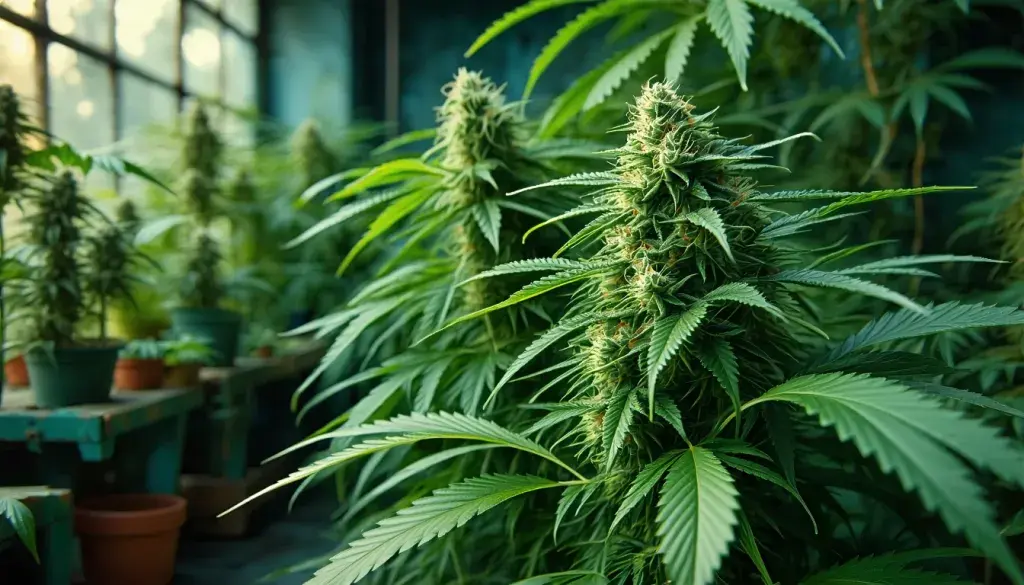
A provision buried in the federal government funding bill that ended the longest shutdown in U.S. history is set to do something years of state-level enforcement largely failed to accomplish: pull hemp-derived THC products off the shelves of gas stations, convenience stores, and other unlicensed retailers. The ban, slated to take effect in November 2026, prohibits hemp products containing more than 0.4 milligrams of total THC per container - a threshold so low that it effectively eliminates most ingestible hemp-derived THC products currently on the commercial market.
The Loophole That Built a Shadow Market
The 2018 Farm Bill federally legalized hemp - defined as cannabis containing no more than 0.3 percent THC by dry weight - and in doing so, unintentionally opened a channel for manufacturers to sell psychoactive products with almost no regulatory oversight. The mechanism was straightforward: chemists discovered they could convert CBD and other hemp-derived cannabinoids into Delta-8 THC, Delta-10 THC, and a range of other compounds that produce intoxicating effects. Because these products were technically derived from federally legal hemp, they fell outside the licensing requirements, lab-testing mandates, age-verification standards, and compliant packaging rules that govern adult-use and medical cannabis dispensaries in states with regulated markets.
Documentary filmmaker Rob Rosen, who examined the issue in his YouTube film High Stakes - How the U.S. Accidentally Legalized Pot, put it plainly: manufacturers with no oversight were adding chemical compounds to hemp to amplify its intoxicating effects, and lab testing on some of those products revealed compounds his team characterized as genuinely dangerous. That's the thing about a market with no certificate of analysis requirement, no seed-to-sale tracking, and no licensing body - there's no systematic way to pull a contaminated batch. Licensed dispensaries operate under exactly those constraints every day. The hemp gray market did not.
What the Ban Actually Restricts - and Where the Friction Is
The 0.4-milligram-per-container THC cap is the operative number, and it's drawing serious pushback. Sen. Rand Paul (R-Kentucky) stated in November that the limit would effectively eliminate 100 percent of hemp products in the country - including those marketed for pain or anxiety management. Several lawmakers have already signaled they'll pursue amendments before the November 2026 effective date. Whether those amendments actually move is uncertain; what's clear is that the regulatory text as written sets a bar that most current hemp-derived product SKUs cannot clear.
For compliance professionals tracking this, the distinction between "hemp-derived" and "cannabis-derived" is about to become more consequential than it has been since the Farm Bill passed. Products that spent years in a federal gray zone - moving through unlicensed distribution channels, priced below dispensary inventory, and displayed next to energy drinks at the point of sale - will need to either reformulate to an extremely low THC content or exit the market entirely. Neither path is simple for manufacturers who built their entire product line around that loophole.
Licensed Dispensaries: Insulated, But Watching
For licensed cannabis retailers operating inside state-regulated frameworks, the immediate operational impact is minimal - and that's worth understanding clearly. The Fire Station Cannabis Company, a dispensary in Michigan's Upper Peninsula, confirmed publicly that the ban does not affect its inventory because it does not carry hemp-derived products. That position reflects a broader reality: retailers in states like Michigan that operate under the Cannabis Regulatory Agency's testing and labeling requirements were never selling the products this ban targets. Their inventory is already subject to potency testing, compliant packaging, and product batch documentation that the hemp gray market has never had to meet.
That said, licensed operators have a genuine stake in how this plays out. The unregulated hemp market has undercut dispensary pricing, circumvented age-verification requirements, and in some cases reached consumers - including younger buyers - through channels that licensed retailers are legally prohibited from using. Michigan's own regulatory framework bars dispensaries from selling to anyone under 21 and requires POS-level ID verification at every transaction. A gas station selling Delta-8 gummies faces none of those requirements. The ban, if it holds at its current threshold, removes that competitive asymmetry from the market.
The Broader Compliance Signal for the Industry
What this legislation signals - beyond its immediate market effects - is that federal policymakers are now treating hemp-derived psychoactive products as a consumer safety issue, not a niche regulatory footnote. That framing has real implications for state-licensed cannabis businesses, hemp farmers, product manufacturers, and the retailers who have been stocking gray-market THC products in states where adult-use cannabis remains illegal.
Hemp farmers have their own legitimate concern here. As Sen. Paul noted, hemp has become a meaningful cash crop for agricultural operations that shifted into the sector over the past several years. A near-total market elimination of hemp-derived consumer products affects that supply chain from the ground up - not just the manufacturers and retailers. Any amendments lawmakers pursue will likely try to thread a narrow gap: restricting intoxicating synthetic derivatives while preserving market access for lower-potency hemp products with legitimate agricultural and commercial use.
For the regulated cannabis industry, the next several months of congressional debate are worth monitoring closely. The outcome will determine whether this becomes a genuine cleanup of an unregulated market or a complicated new regulatory layer that intersects - and potentially conflicts - with state-level cannabis licensing frameworks already in place. Either way, the era of treating hemp-derived THC as a federal non-issue is over.