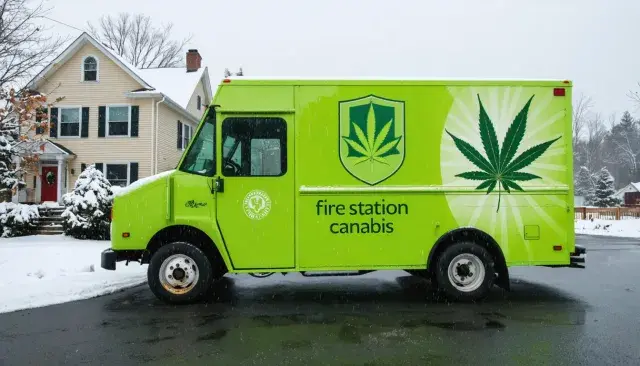
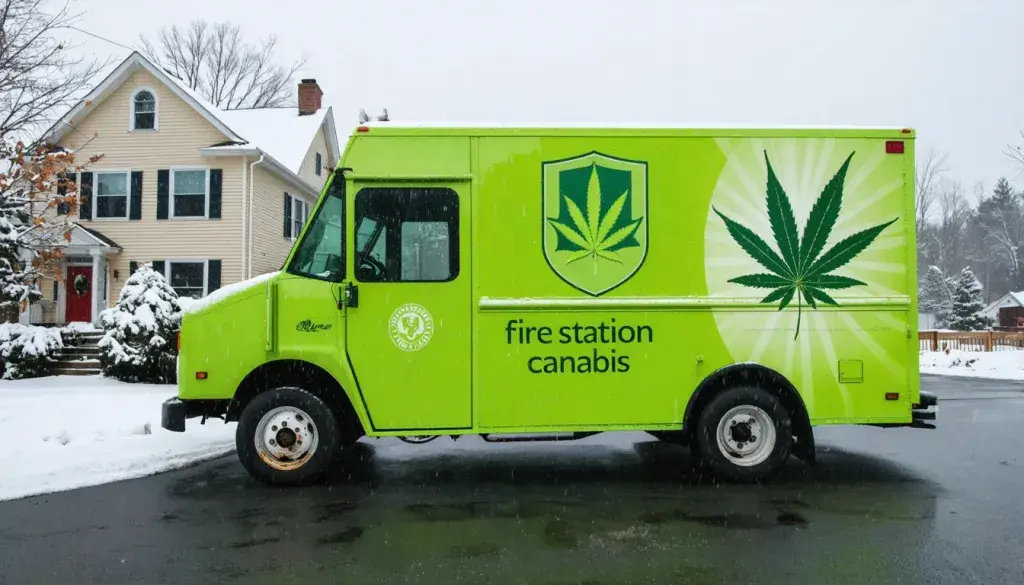
In Marquette, Michigan, Fire Station Cannabis Co. is rolling out delivery services across the entire Upper Peninsula in the coming weeks, offering a game-changing convenience for medical patients and adults 21 and older. This move addresses long-standing access barriers in the rural region, potentially reshaping how residents obtain cannabis products safely and efficiently.
Service Details and Safeguards
The delivery program emphasizes security and compliance, mirroring best practices in the evolving cannabis industry. Customers must provide ID upon arrival, with orders capped at 2.5 ounces per transaction and restricted to residential addresses.
- Available to medical patients and recreational users 21+
- Weekly deliveries to cities across U.P. zones, with potential expansion based on demand
- Follow Fire Station on Facebook for schedule updates
These limits align with Michigan's regulatory framework, established after recreational legalization in 2018, ensuring responsible distribution while minimizing risks like overconsumption.
Driving Demand: Accessibility in the Upper Peninsula
Owner Stosh Wasik highlights customer feedback as the catalyst: many travel vast distances across the U.P.'s sparse landscape to reach the Marquette store. "Accessibility is number one," Wasik notes, underscoring a shift toward customer-centric models in cannabis retail.
In a region where harsh winters and long drives complicate shopping, delivery reduces barriers. This echoes national trends where cannabis sales have surged 30% annually since legalization, per industry reports, with delivery now comprising 20% of urban markets and poised to grow in rural areas like the U.P.
Health, Safety, and Broader Implications
From a public health perspective, U.P.-wide delivery could enhance outcomes for medical users managing chronic pain or anxiety—conditions where cannabis offers evidence-based relief without opioid risks. By curbing road trips to dispensaries, it may lower impaired driving incidents, a concern in Michigan where cannabis-related crashes rose post-legalization but stabilized with better access controls.
Yet, implications extend culturally: normalizing home delivery fosters a mature market, akin to alcohol or pharmacy services, promoting moderation through verified age checks. As demand grows, expect similar expansions, boosting local economies while prioritizing safety in this remote peninsula.