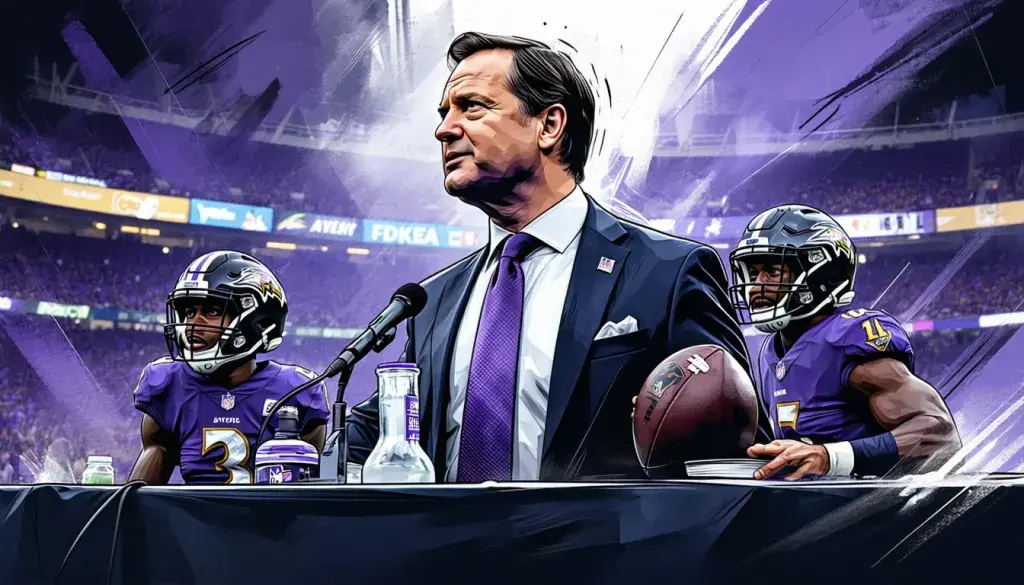
Baltimore Ravens general manager Eric DeCosta isn't pretending the 2026 draft class is something it isn't. Speaking Wednesday, he acknowledged what many evaluators have been quietly circulating for months: the class thins out fast, with real talent concentrated in the first half of Round 1. Fortunately for Baltimore, that's precisely where they're sitting - pick No. 14 - and DeCosta made no effort to hide his satisfaction about that.
A Candid Read on a Shallow Pool
Draft classes vary considerably in depth from year to year, and front offices that acknowledge this publicly are either confident in their position or unusually candid - sometimes both. DeCosta is both. "I feel like [No. 14] is a sweet spot for us," he said, via the Baltimore Sun, after noting the board loses significant value "midway" through the first round.
That kind of transparency is useful context for understanding how Baltimore will approach the next two weeks. They're not operating from a position of anxiety. With 11 picks total in 2026, including three in the top 80, the Ravens have the kind of capital that lets a front office be selective early and opportunistic late - which is exactly the posture DeCosta described.
The Offensive Line Need Is Real, and So Is the Class
Here's the thing: Baltimore's most pressing personnel gap isn't abstract. Losing center Tyler Linderbaum reshapes the interior of the offensive line in a material way. Centers with Linderbaum's combination of athleticism and processing speed don't grow on trees, and plugging that void requires more than one move. DeCosta signaled the Ravens could address both center and guard through this draft.
What softens the urgency slightly is his read on the offensive line class itself - which he called "deep," and not in the diplomatic, press-conference way. He specifically mentioned value extending into the sixth and seventh rounds, which suggests Baltimore's evaluators see genuine developmental options well beyond the first two days. Guards Olaivavega Ioane and Spencer Fano have drawn the most attention in mock draft circles, and DeCosta's comments about the group were pointed enough to confirm the interest without confirming a decision.
The distinction matters. A front office that sees one name worth taking at a position will often force a pick. One that sees depth at the position has the freedom to move, trade back, or wait - and DeCosta's framing suggests the latter disposition.
Tight End: Depth Over Headlines
Baltimore's tight end room is functional but thin behind Mark Andrews. Durham Smythe is a blocker by vocation, not a pass-catching threat, which leaves Andrews shouldering the receiving load at the position with minimal structural backup. DeCosta was direct about the intent to add multiple tight ends - likely not in Round 1, but emphatically across the draft's middle and late rounds.
His characterization of the class was precise in a way worth noting: not that it's elite at the top, but that it's littered with specialists - players who do one or two things well enough to earn a roster spot and contribute within a scheme. "What can they do well?" is actually a reasonable acquisition philosophy for a position group that Baltimore doesn't need to rebuild wholesale. Andrews still anchors the room. What the Ravens want is complementary production, blocking versatility, and depth - and a wide, late-round tight end class is well-suited to deliver exactly that.
What the Pick Count Actually Signals
Eleven picks in a single draft is a considerable number. It reflects a front office that has been accumulating future assets - whether through trades, compensatory formula picks, or both - rather than mortgaging them. Three selections in the top 80 gives Baltimore meaningful early-round coverage even if they use No. 14 on a position that doesn't immediately scream need.
The broader implication is that DeCosta can afford to draft value over desperation. If the best offensive lineman available at 14 happens to be a guard when the team also needs a center, he takes the guard and finds the center elsewhere. If an edge rusher falls into a range where the value is too good to ignore, Baltimore has the pick depth to absorb that choice without leaving other needs unaddressed. That kind of flexibility - earned through disciplined roster construction over multiple off-seasons - is what separates franchises that draft well from those that draft reactively.
DeCosta's Wednesday remarks read less like a pre-draft press obligation and more like a man who has done the homework and likes where he stands. Whether the board cooperates on draft night is, of course, another matter entirely.