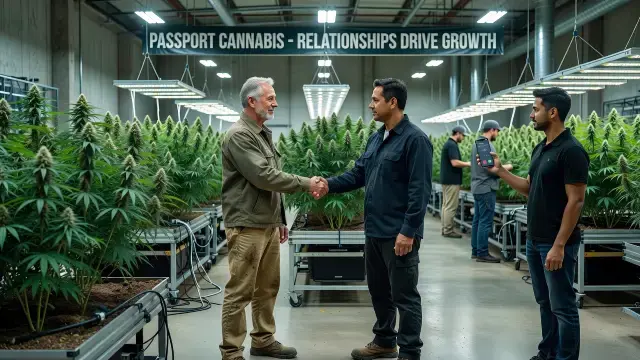
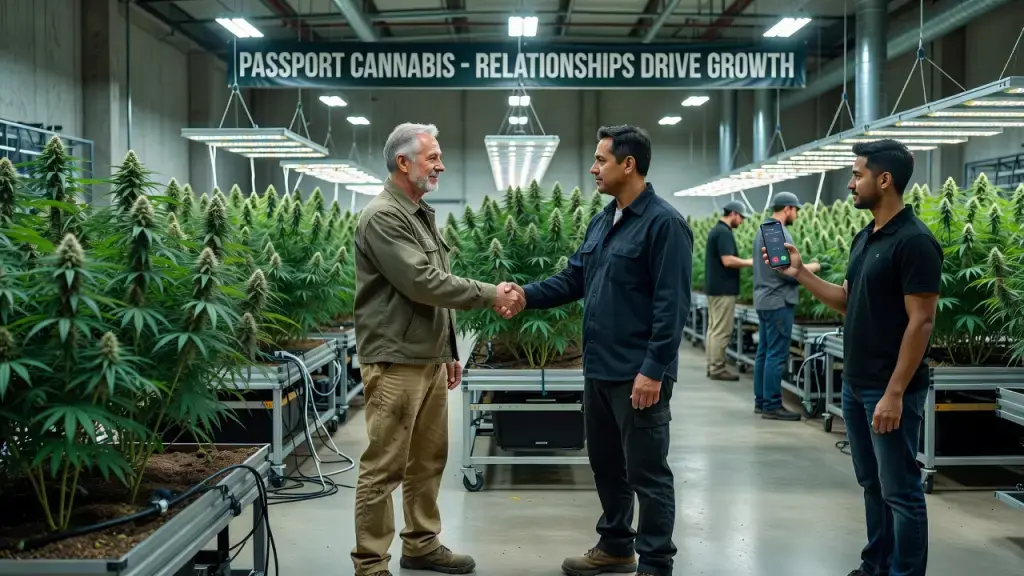
Fifteen years into legal cannabis, a veteran cultivation and operations leader is making a point that runs counter to the industry's obsession with technology and metrics: relationships, not resumes, still open doors in this business. The arc is instructive - six years at L'Eagle, where production gains and tighter labor and overhead management defined the work, followed by a move into a 35,000-square-foot operation at Passport Cannabis with yield rates above 30 percent. The throughline isn't a credential. It's who picked up the phone.
Why Cannabis Hiring Still Runs on Trust
Cannabis remains a relationship-driven trade for a reason that has little to do with sentiment and everything to do with regulatory exposure. Operators hiring a cultivation director, a compliance manager, or a retail general manager aren't just vetting skills - they're vetting liability. A new hire touches METRC data entry, seed-to-sale tracking, inventory reconciliation, and compliant packaging protocols from day one. Get any of that wrong and a license is on the line. In practice, though, formal credentials rarely predict whether someone will keep compliance logs clean or cut corners under pressure. A referral from someone who's already watched that person work a harvest, close a budroom at night, or handle an inspection carries more weight than a resume line ever could.
The Operational Reality Behind the Numbers
Lifting production by double digits or pushing testing yields above 30 percent doesn't happen because one person is talented. It happens because a cultivation team, a facilities crew, a compliance officer, and often outside vendors are all pulling in the same direction. Reducing labor and overhead costs - a persistent pressure point given 280E tax treatment, which bars standard business deductions for plant-touching companies - takes buy-in across departments, not just a directive from the top. That kind of coordination is built on trust accumulated over years, not assembled overnight from a job posting. What's striking here is how much of cannabis operations still depends on informal knowledge transfer: who knows how to troubleshoot a particular HVAC dehumidification issue, who understands a specific state's track-and-trace quirks, who can read a wholesale menu and tell you which brands are overextended.
What This Means for Operators and Job Seekers
For multi-state operators and single-license dispensaries alike, the lesson cuts both ways.
- Operators hiring for compliance, cultivation, or retail management roles should weigh track record and verifiable references as heavily as formal training, given how much of the job is judgment under regulatory pressure.
- Job seekers entering cannabis - an industry still short on standardized career pathways compared to adjacent regulated sectors like alcohol retail - benefit from showing up reliably at trade events, compliance trainings, and supplier meetings where reputations actually form.
- Vendors and suppliers negotiating wholesale pricing or service contracts often rely on the same word-of-mouth vetting, since there's no universal credentialing body across cannabis retail and cultivation.
None of this excuses weak hiring standards or lax compliance oversight. Lab testing requirements, COA verification, and inventory controls still need documented procedures regardless of who's in the room. But the soft infrastructure - who shows up, who follows through, who keeps their word on a deadline - is what determines whether those procedures actually get followed. Fair enough to call that a resume. It's just one that nobody can print.