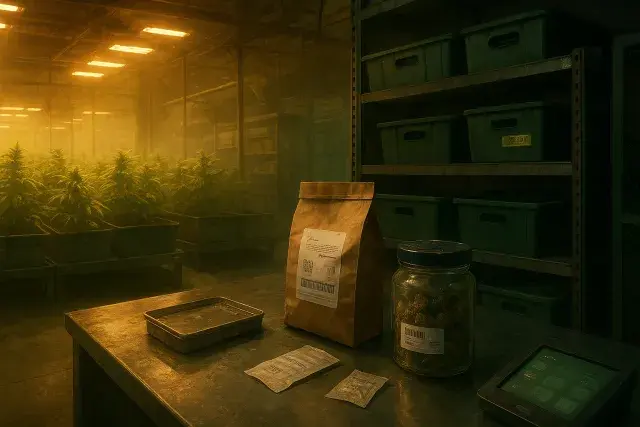
TSRgrow has rolled out a significant expansion of GROWHub, its cultivation software platform, adding energy monitoring, expanded batch records, Metrc integration and building management system connectivity for 2026. The update matters because commercial cultivators have long managed lighting controls, environmental data and compliance recordkeeping as separate, often disconnected functions. Consolidating them into one system reflects a broader shift in regulated cannabis production toward operational software that doubles as a compliance backbone.
The mechanics here are straightforward, even if the operational payoff is not. GROWHub sits on top of TSRgrow's LED lighting and Remote Power infrastructure, which means the software already has access to granular data on light recipes, photoperiods and energy draw at the rack or zone level. Layering analytics, batch records and track-and-trace integration onto that foundation lets cultivators document a crop cycle as it happens rather than reconstructing it later from spreadsheets. That's not a small distinction for multi-state operators managing several facilities, each generating its own compliance logs, environmental data and inventory records - the same fragmentation issue that has pushed dispensary-side technology, including systems like cbd point of sale new jersey platforms, toward tighter integration between sales, inventory and regulatory reporting.
Why compliance data and cultivation data keep colliding
Cannabis operators have never had a shortage of data. What they've lacked, more often than not, is a way to connect cultivation decisions to the paperwork regulators actually want to see. Metrc, the track-and-trace system used across most licensed markets, was built to follow plants and product through the supply chain - not to explain why a particular grow room underperformed or how a lighting change affected yield. GROWHub's expanded batch-record functionality tries to close that gap by tying environmental settings, lighting schedules and operational notes directly to individual batches, then feeding that information into Metrc workflows. In practice, though, the value shows up during audits and inspections, when a cultivator can produce a defensible, timestamped record instead of reconstructing history from memory.
Energy monitoring as a compliance and cost issue
Energy consumption in cannabis cultivation is not just an operating expense; in several jurisdictions it's increasingly a regulatory and sustainability concern as well. Indoor grow facilities run lighting, HVAC and dehumidification systems around the clock, and utility costs can rival or exceed labor as a line item. By pairing energy data from Remote Power with cultivation and environmental records, GROWHub gives operators a way to see whether a given lighting strategy improved yield enough to justify its energy cost - a question many cultivators have historically answered by instinct rather than documentation.

What this signals for the broader cultivation software market
The expansion also points to where cultivation technology is heading generally: fewer standalone tools, more integrated platforms that talk to Metrc, building systems and point-of-sale data further down the supply chain. For operators, that consolidation can reduce manual entry and inventory shrinkage risk tied to inconsistent recordkeeping. It also raises the bar for smaller cultivators still relying on disconnected systems, since regulators and lenders alike are growing more comfortable expecting audit-ready digital records rather than paper trails assembled after the fact.